
TL;DR
The Sandpoint Farmers Market operates Saturdays and Wednesdays from May through October, featuring 40–60 vendors selling locally grown produce, artisan goods, and prepared foods. Beyond the market itself, Sandpoint's broader local food ecosystem includes farm-to-table restaurants, CSA programs, and food artisans that make eating locally accessible year-round. For homebuyers, this thriving food scene reflects the community's commitment to independent business and quality of life.
What Is the Sandpoint Farmers Market?
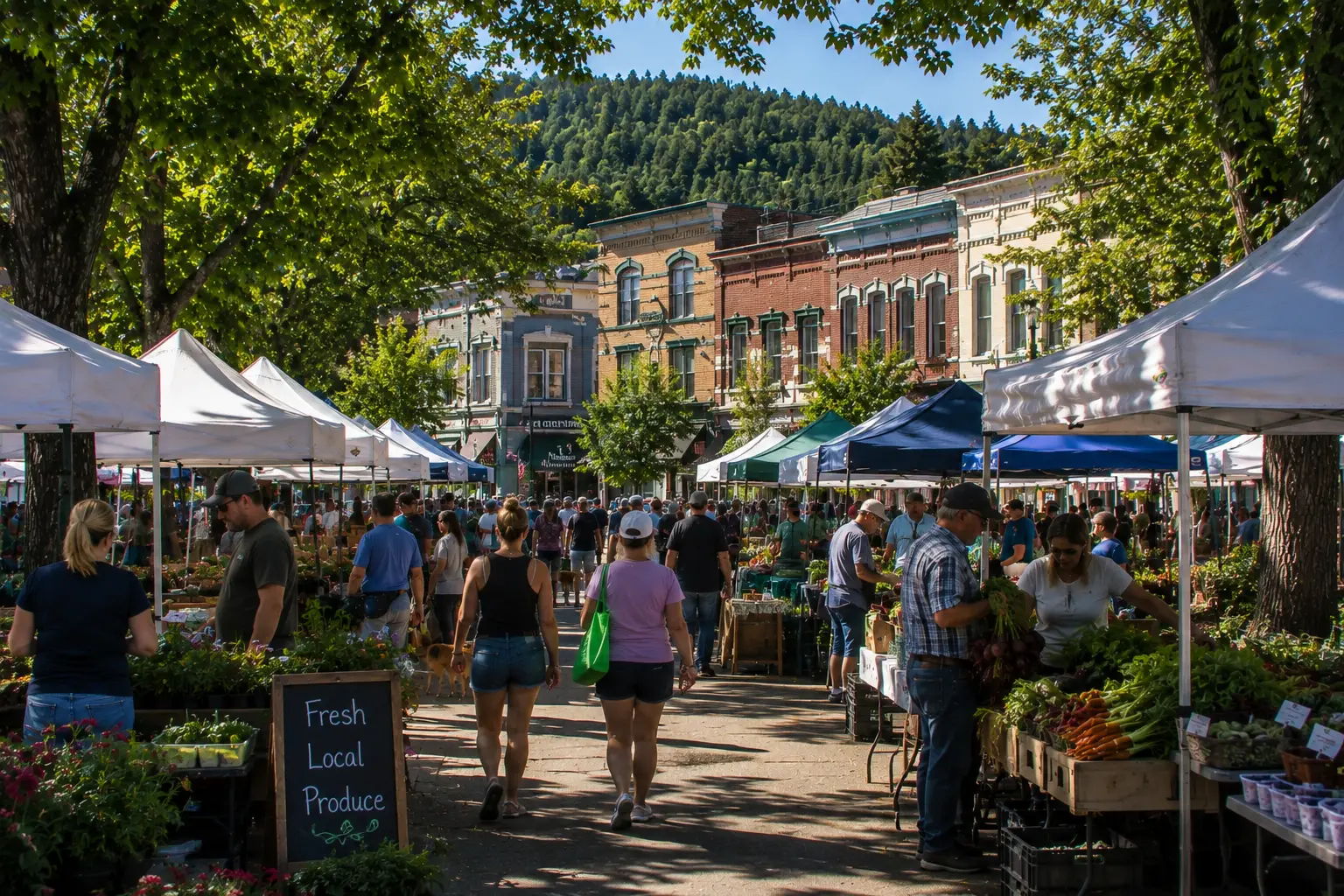
The Sandpoint Farmers Market is a cornerstone of our community's food culture and summer social calendar. Operating seasonally from May through October, this lively market brings together regional farmers, ranchers, food producers, and artisans in a welcoming, family-friendly setting. It's not just a place to buy groceries – it's where neighbors connect, local businesses thrive, and the values of our community become visible.
According to the Sandpoint Farmers Market, the market draws consistently large crowds and features a dynamic hub for shopping and socializing in downtown Sandpoint every Wednesday and Saturday. The vendor mix shifts as crops come in and out. You'll find everything from fresh-picked berries and heirloom tomatoes to eggs, cheese, baked goods, prepared foods, and handmade crafts. The atmosphere is vibrant, often featuring live music and a genuine sense of place that you won't find at a conventional grocery store.
For those new to the area or planning a visit, the market is a perfect introduction to what makes Sandpoint special. It's part of the broader summer events and activities that define life here in North Idaho, and it's a tradition worth experiencing.
When and Where Does the Sandpoint Market Run?
Location: The Sandpoint Farmers Market is held at Farmin Park in downtown Sandpoint, a scenic spot near Lake Pend Oreille that makes shopping feel like part of a larger community gathering.
Hours: According to the Sandpoint Farmers Market, the market operates:
- Saturdays: 9:00 AM – 1:00 PM (May–October)
- Wednesdays: 3:00 PM – 5:30 PM (seasonal availability)
The Saturday morning slot is the main event – peak season (July–August) draws the largest crowds and the widest vendor selection. Wednesday afternoons offer a quieter alternative if you prefer a more relaxed shopping experience.
Parking & Logistics: Parking is available near the market, though Saturday mornings in July and August can get busy. Arriving within the first 30–45 minutes gives you the best selection, especially for high-demand items like berries and heirloom tomatoes.
Payment Methods: Most vendors accept cash, and many now accept cards and Venmo. If you rely on SNAP/EBT benefits, Idaho's Double Up Food Bucks program can double your purchasing power for locally grown fruits and vegetables. Contact the market directly to confirm participation.
Rain Policy: The market operates rain or shine, though some vendors may have covered setups. Bring an umbrella if the forecast looks uncertain.
What Vendors and Products Can You Find?
The vendor mix changes throughout the season, reflecting what grows well in North Idaho's short but intense growing season. According to the Sandpoint Reader, as of the 2026 season, 70 vendors are signed up, with organizers anticipating 100 will participate at the height of summer. Here's what to expect:
Produce: Fresh vegetables, berries, stone fruits, apples, and seasonal greens dominate the market. Early summer brings asparagus and rhubarb; mid-summer explodes with berries, tomatoes, and zucchini; fall shifts to winter squash, root vegetables, and apples.
Meat & Eggs: Local ranchers and farmers sell grass-fed beef, pastured chicken, pork, and fresh eggs. These vendors are consistent throughout the season and often have loyal followings.
Dairy & Cheese: Artisan cheese makers and dairy producers offer everything from fresh mozzarella to aged cheddar, yogurt, and butter.
Baked Goods: Artisan bread, pastries, and prepared baked items are staples. Many bakers use local flour and seasonal ingredients.
Prepared Foods: Ready-to-eat items like jams, preserves, honey, sauces, and prepared meals make it easy to take local food home.
Crafts & Flowers: Local artisans sell handmade goods, and flower vendors offer seasonal bouquets and plants.
Best Weeks to Visit: July and August offer peak selection and variety. If you're visiting Sandpoint during these months, the market is a must-see. September and early October are excellent for apples, root vegetables, and mushrooms.
Seasonal Value Example: A family spending $50–$75 at the Saturday market in July can typically source tomatoes, zucchini, fresh herbs, eggs, and a loaf of artisan bread – equivalent grocery store value roughly $80–$100.
How Does Sandpoint's Broader Local Food Scene Work?
The farmers market is just the beginning. Our community's local food ecosystem extends to farm-to-table restaurants, food co-ops, CSA programs, and artisan producers that make eating locally a year-round possibility.
Farm-to-Table Restaurants: Sandpoint has several independent restaurants committed to sourcing from local farms and producers. These establishments range from casual cafes to fine dining, each with their own approach to seasonal menus and local partnerships. The restaurant scene reflects the same values as the farmers market – supporting local agriculture and celebrating what grows here.
Food Co-ops & Natural Grocers: Local food co-ops and independent natural grocery stores stock products from regional producers, making it easy to find local items even when the outdoor market is closed. These businesses are anchors of the community food system and often host educational events about local food.
Artisan Food Producers: Sandpoint is home to small-batch cheese makers, honey producers, charcuterie artisans, and preserve makers. Many sell at the farmers market, but you can also find them through local food directories and direct farm visits.
CSA Programs: Community Supported Agriculture (CSA) shares connect you directly to local farms. A typical half-share CSA from a Bonner County farm runs approximately $20–$30 per week for 10–18 weeks, covering a substantial portion of a household's weekly produce needs from June through October. This is a powerful way to eat seasonally and support local agriculture year-round.
CSA Value Example: A half-share CSA covering a significant portion of weekly household produce from June–October costs roughly $200–$540 for the season, compared to $400–$700 for a full share. For families committed to local eating, this is one of the most cost-effective ways to access fresh, seasonal produce.
The interconnection between the farmers market, restaurants, co-ops, and CSA programs creates a resilient local food system. When you shop at the market or join a CSA, you're not just buying food – you're supporting farms, jobs, and the agricultural heritage of North Idaho. For those living in Sandpoint Idaho, this ecosystem is one of the defining features of community life.
Why Does the Local Food Scene Matter to Homebuyers?
For people considering relocating to North Idaho, the local food scene is more than a lifestyle amenity – it's a reflection of community values and quality of life.
A thriving farmers market and local food ecosystem signal several things about a place:
Walkability & Community Character: Markets like Sandpoint's are gathering spaces that strengthen neighborhood bonds. The downtown location near Lake Pend Oreille makes shopping a social experience, not just a transaction. This walkability and sense of place are increasingly important to homebuyers seeking communities where they can build real connections.
Independent Business & Local Ownership: The presence of local farms, artisan producers, and independent restaurants shows a community that values entrepreneurship and local control. Every dollar spent at the farmers market recirculates within the local economy at a higher rate than spending at chain stores – a multiplier effect that strengthens the entire community.
Sustainability & Values Alignment: Buyers drawn to Sandpoint often prioritize environmental stewardship and sustainable living. A robust local food system reflects those values in action.
Comparison to Other North Idaho Communities: While larger cities like Coeur d'Alene have farmers markets, Sandpoint's market and broader food ecosystem are distinctly intimate and community-focused. The scale and character of our local food scene are part of what makes Sandpoint unique in the region.
For homebuyers evaluating Sandpoint, the local food scene is worth serious consideration. It's a tangible expression of the community's character and a practical amenity that enhances daily life. If you're relocating to North Idaho and value access to local, seasonal food and independent businesses, Sandpoint's food ecosystem is a genuine competitive advantage.
Seasonal Eating Calendar: What to Buy and When
North Idaho's growing season is compressed by elevation (Sandpoint sits at roughly 2,100 feet) and a frost-free window of 120–140 days. This creates distinct seasonal windows for different crops. Here's what to expect month by month:
| Season | Month | What's Available | Peak Items |
|---|---|---|---|
| Spring | May–June | Early greens, asparagus, rhubarb, transplant seedlings, early herbs | Asparagus, rhubarb, spring lettuce |
| Summer | July–August | Berries, tomatoes, sweet corn, zucchini, cucumbers, stone fruit, fresh herbs | Strawberries, raspberries, huckleberries, tomatoes, corn |
| Fall | September–October | Winter squash, apples, root vegetables, mushrooms, preserves, jams | Winter squash, apples, carrots, beets, potatoes, chanterelles |
| Winter | November–April | Limited outdoor market; indoor holiday markets possible (verify with market) | Stored produce, preserved goods, holiday items |
Huckleberries deserve special mention – they're a North Idaho treasure. These wild berries ripen at mid-to-high elevations from late July through September, and they're a farmers market staple during peak season. Local producers also make huckleberry jams, syrups, and baked goods that extend the season.
Pro Tip: Arrive within the first 30–45 minutes on peak summer Saturdays (July–August) for the best selection of berries and tomatoes. These items sell out quickly as word spreads about what's fresh that week.
Frequently Asked Questions About Sandpoint's Farmers Market
What days and hours is the Sandpoint Farmers Market open?
Direct Answer: According to the Sandpoint Farmers Market, the market operates Saturdays 9:00 AM–1:00 PM and Wednesdays 3:00 PM–5:30 PM from May through October.
Saturday mornings are the main event, with the largest vendor selection and busiest atmosphere. Wednesday afternoons offer a quieter alternative. Hours and vendor availability may vary slightly by week, so checking the official market site or calling ahead is a good idea if you're planning a specific trip.
Does the Sandpoint Farmers Market accept credit cards or EBT?
Direct Answer: Most vendors accept cash, and many now accept cards and Venmo. EBT/SNAP benefits can be used through Idaho's Double Up Food Bucks program, which doubles your purchasing power for locally grown fruits and vegetables.
Not all vendors participate in card payments, so bringing cash is the safest bet. If you use SNAP benefits, contact the market directly to confirm Double Up Food Bucks participation and which vendors accept the program.
Is there a farmers market in Sandpoint during winter?
Direct Answer: The outdoor Saturday and Wednesday markets close in November and reopen in May. Some indoor holiday markets may operate in December, but these are not guaranteed annually.
For winter access to local food, CSA programs often extend into early fall, and local food co-ops and independent grocers stock products from regional producers year-round. These are your best options for local eating during the off-season.
Can you bring dogs to the Sandpoint Farmers Market?
Direct Answer: Leashed, well-behaved dogs are generally welcome at the market, though it's best to confirm the current pet policy with the market organizers before your visit.
The downtown location and family-friendly atmosphere make it a pleasant place to walk with a pet, but always check ahead to ensure the policy hasn't changed.
How does Sandpoint's local food scene compare to Coeur d'Alene?
Direct Answer: Both communities have farmers markets and local food options, but Sandpoint's market is smaller and more intimate, while Coeur d'Alene's Saturday Market is larger with 100+ vendors at peak season.
Sandpoint's strength lies in its tight-knit community feel and the integration of the market into downtown life. Coeur d'Alene offers more vendor variety and a larger scale. For homebuyers, the choice often comes down to whether you prefer a smaller, more intimate community or a larger market with more options. Both are excellent North Idaho communities with strong local food cultures.
Where can I find farm-to-table restaurants near Sandpoint?
Direct Answer: Several independent restaurants in downtown Sandpoint source from local farms and producers. Check the Sandpoint Reader's local food coverage and local tourism websites for current restaurant listings and menus.
The restaurant scene changes seasonally, with many establishments adjusting their menus to reflect what's available from local farms. Calling ahead to ask about local sourcing is a great way to find restaurants aligned with your values.
How do I sign up for a CSA farm share near Sandpoint Idaho?
Direct Answer: Search the LocalHarvest directory or contact the Sandpoint Farmers Market directly for a list of CSA farms in the Bonner County area. Half-shares typically cost $20–$30 per week for 10–18 weeks.
CSA shares are an excellent way to eat seasonally and support local farms directly. Most programs allow you to customize your share or skip weeks if needed. Starting in late spring (May–June) gives you the full summer and fall season of fresh produce.
Your Next Step: Explore Sandpoint's Food Scene
The Sandpoint Farmers Market and the broader local food ecosystem are central to what makes our community special. Whether you're a visitor planning a summer trip, a new resident discovering local options, or a homebuyer evaluating the area, the food scene is worth exploring firsthand.
Visit the market this Saturday morning. Arrive early, talk to the farmers and producers, and taste what grows here. You'll quickly understand why so many people choose to live in Sandpoint – it's a place where food, community, and values intersect.
For those considering relocating to North Idaho, the local food scene is a genuine lifestyle asset. (Idaho.gov) (Usda.gov) If you're exploring Bonner County homes for sale and want to understand how the community's food culture fits into your daily life, we recommend connecting with a local real estate advisor who knows the area deeply. At Tomlinson Sothebys International Realty, our team understands how amenities like the farmers market and local food ecosystem influence homebuyer decisions and community satisfaction. We can help you find a home in a neighborhood that aligns with your values and lifestyle priorities – whether that's walkability to the market, proximity to farm-to-table restaurants, or access to the broader local food system.
Learn more about living in Sandpoint and finding your home here by visiting Tomlinson Sothebys International Realty's blog for community insights and local real estate guidance.
Ready to Get Started?
For personalized guidance, visit Tomlinson Sothebys International Realty to learn how we can help.
More from Tomlinson Sothebys International Realty: services services · the areas we serve